This Painting Was Built to Be Unbuilt
One of the clearest signs that the stain was deliberate isn’t the shape, the discoloration, or even the direction of the drips.
It’s the layers.
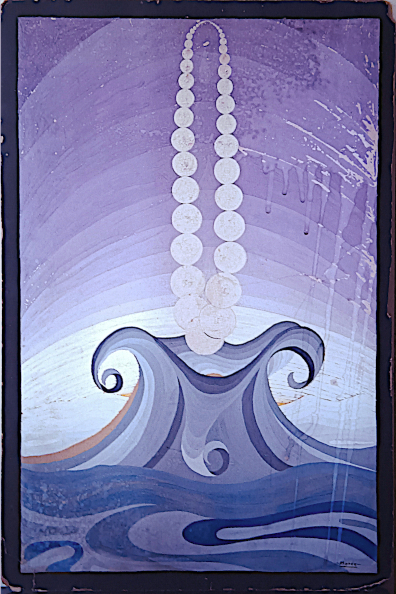
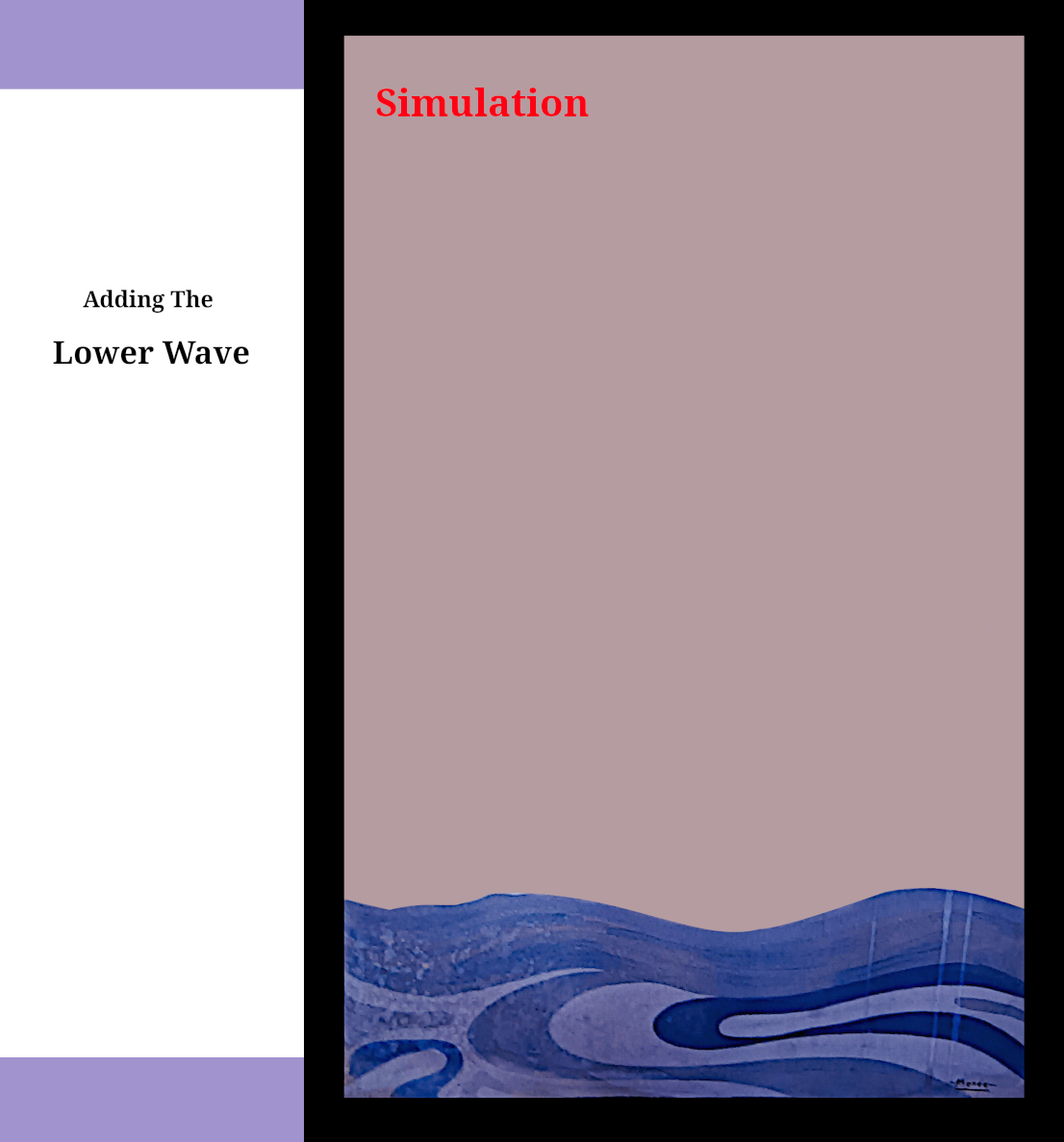
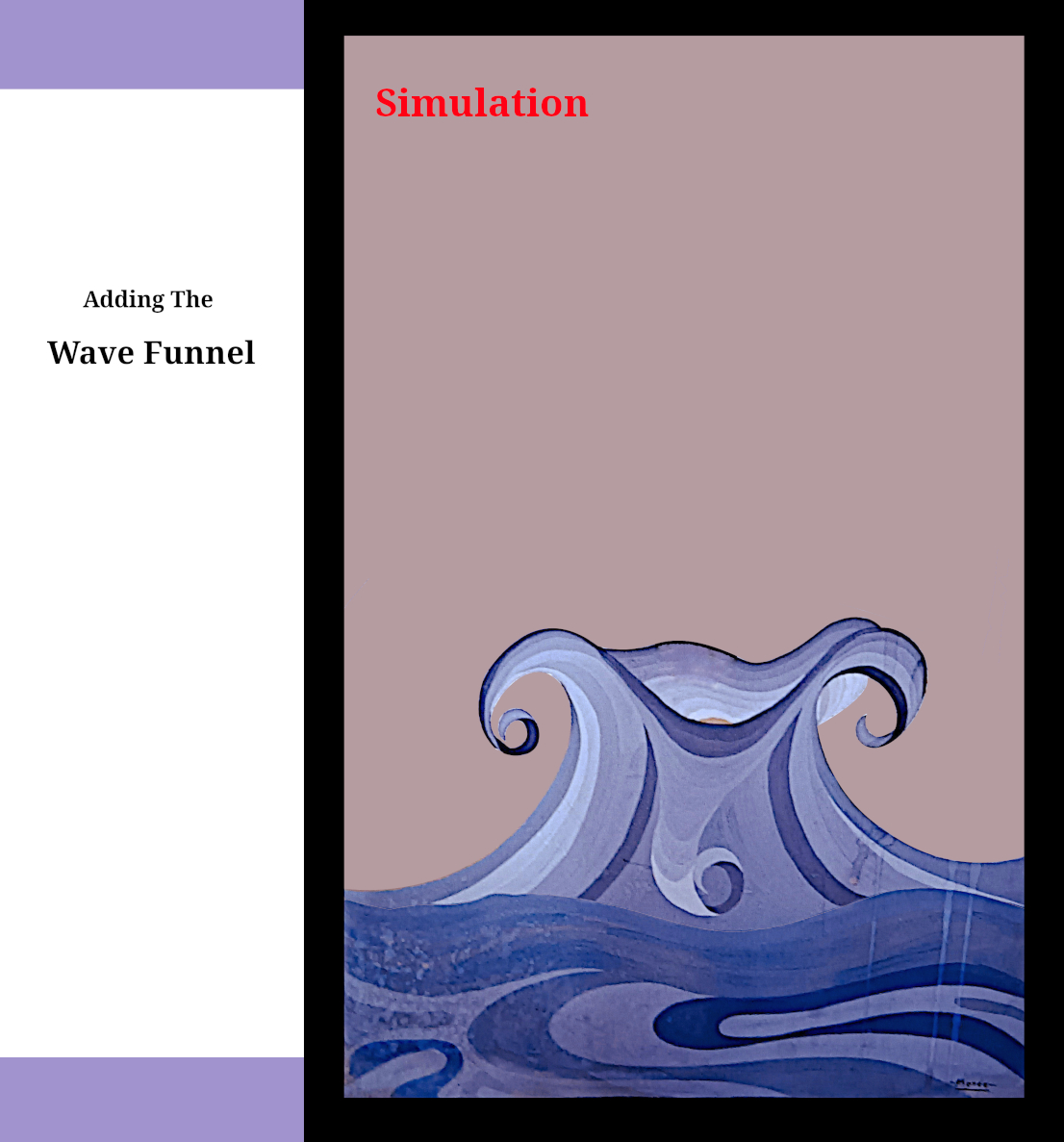
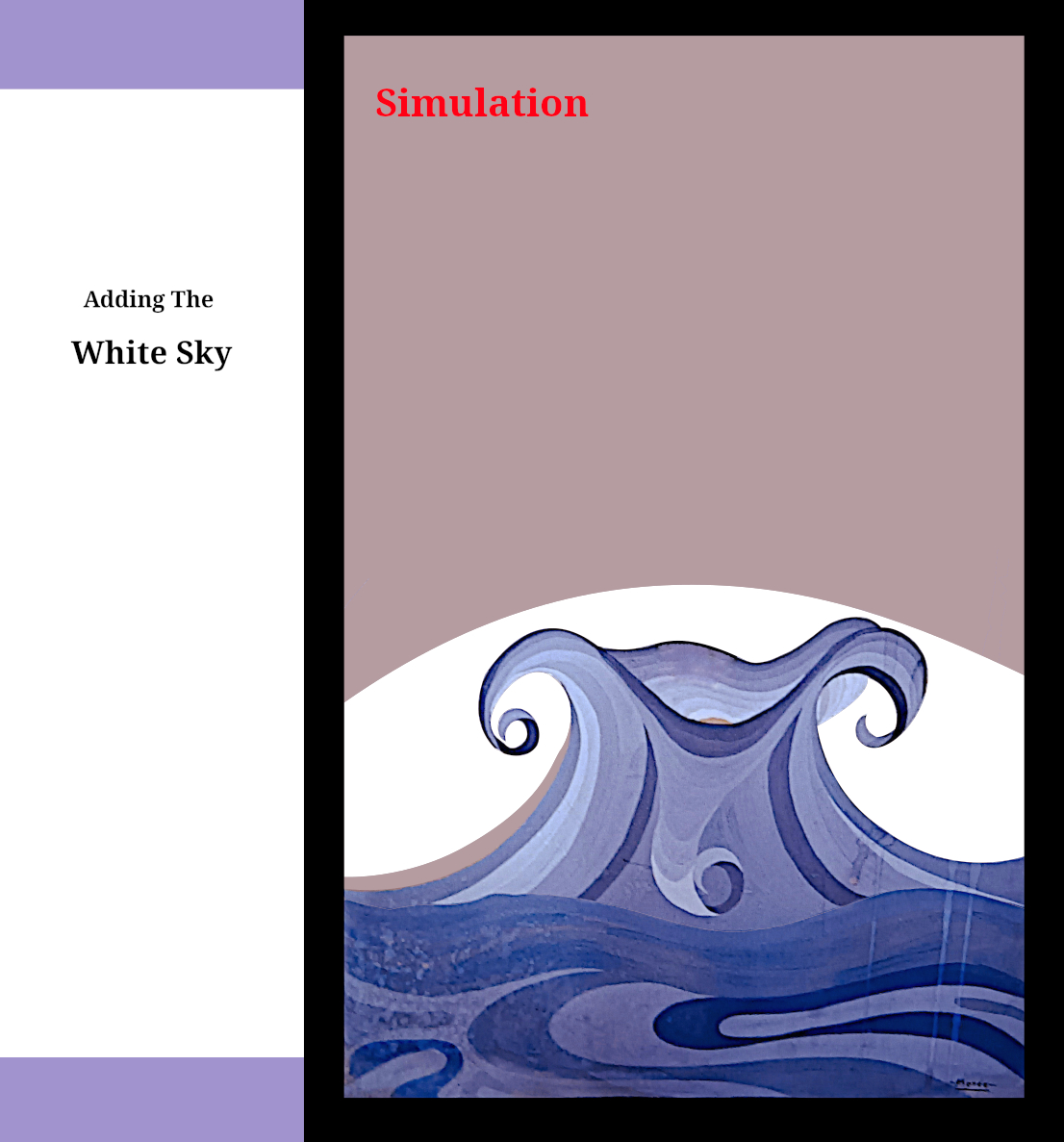
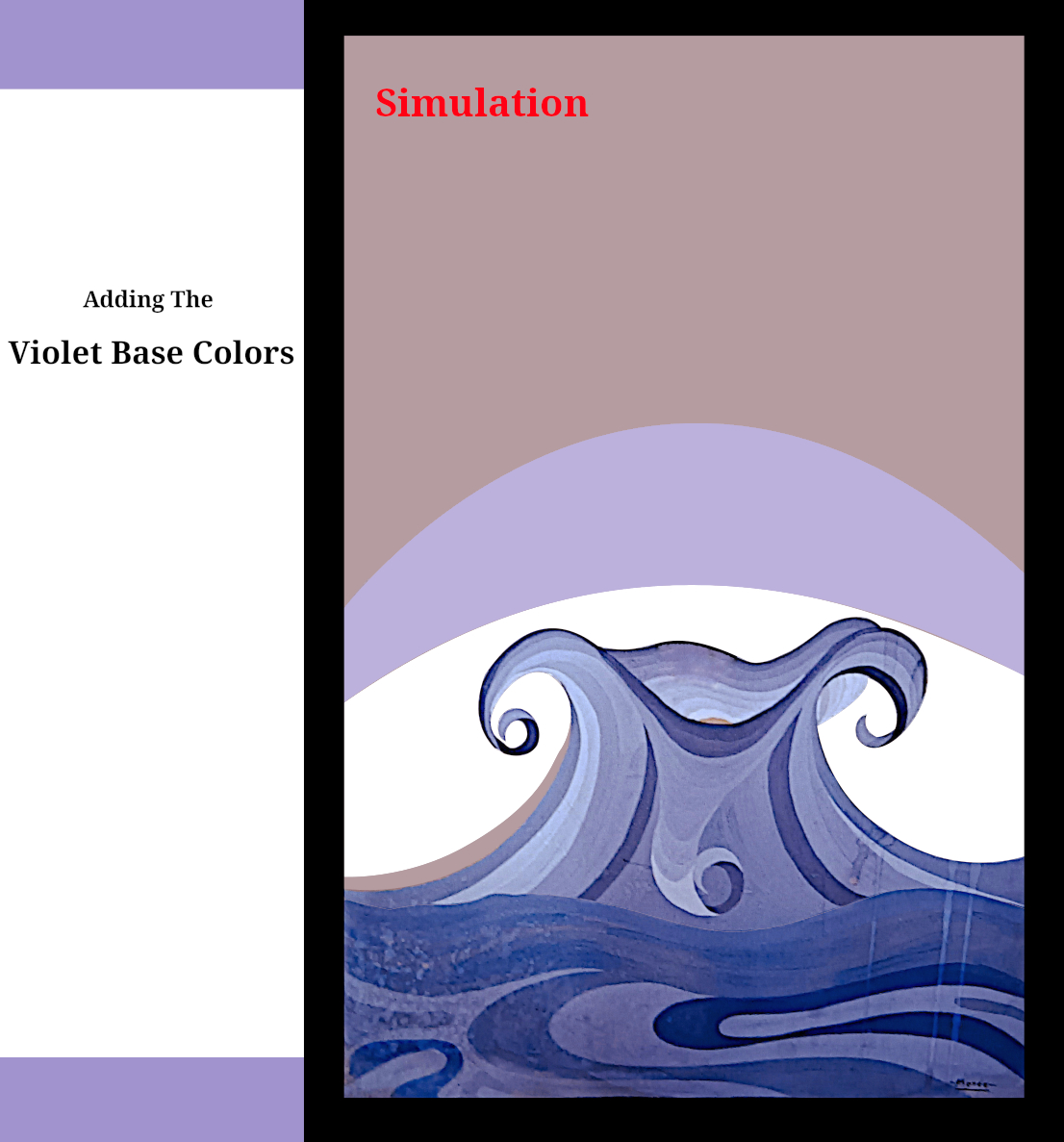
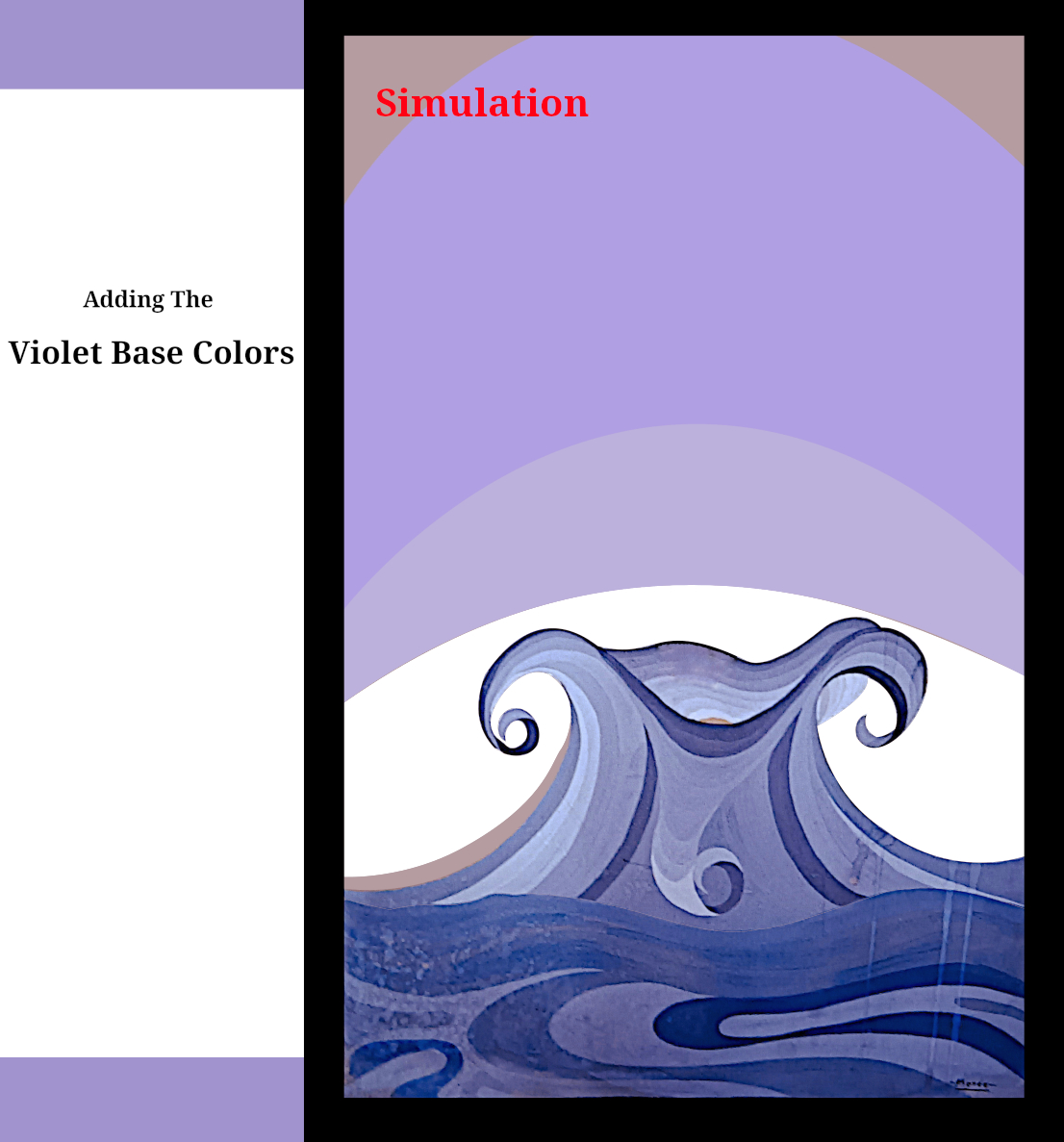
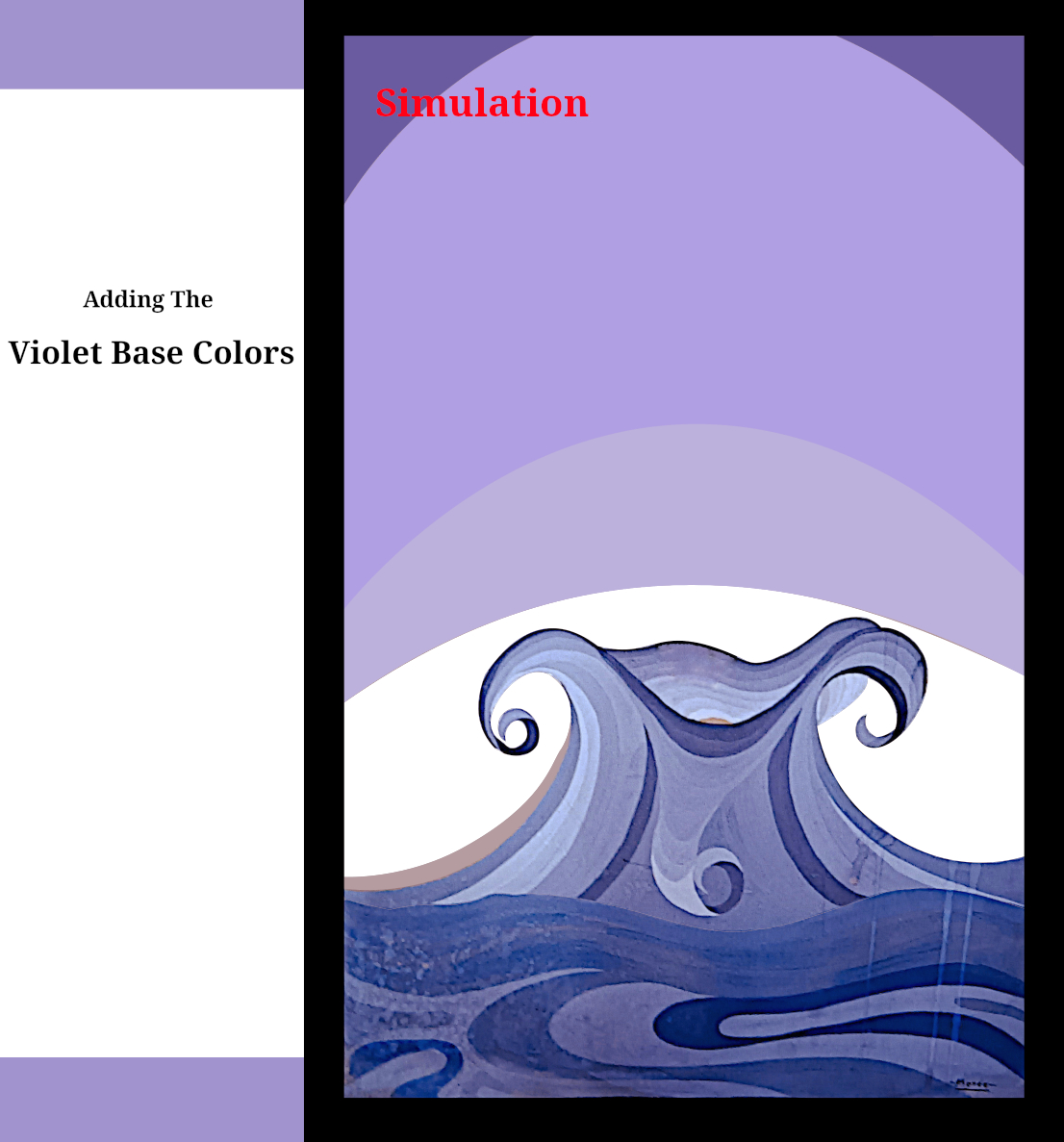
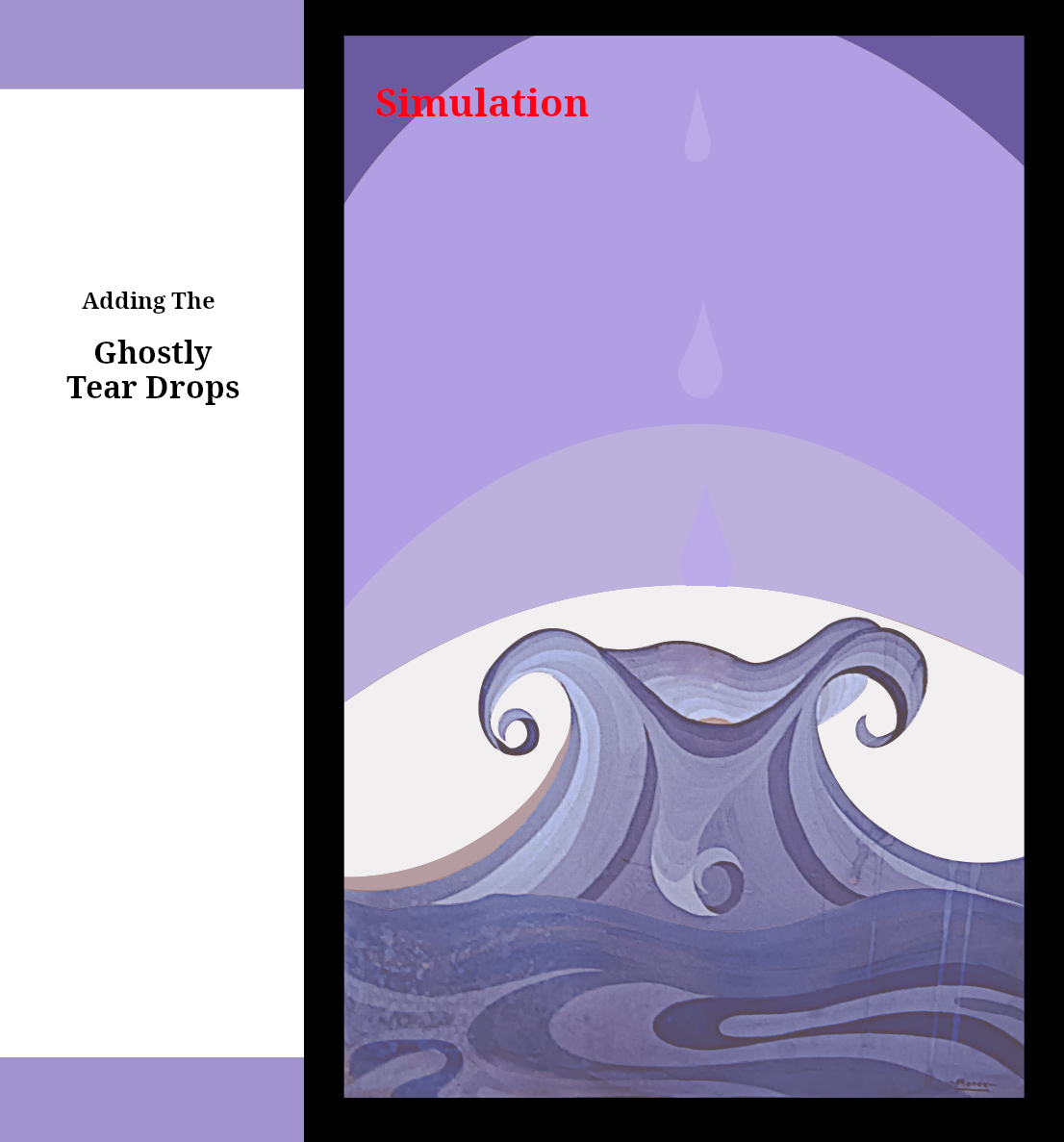
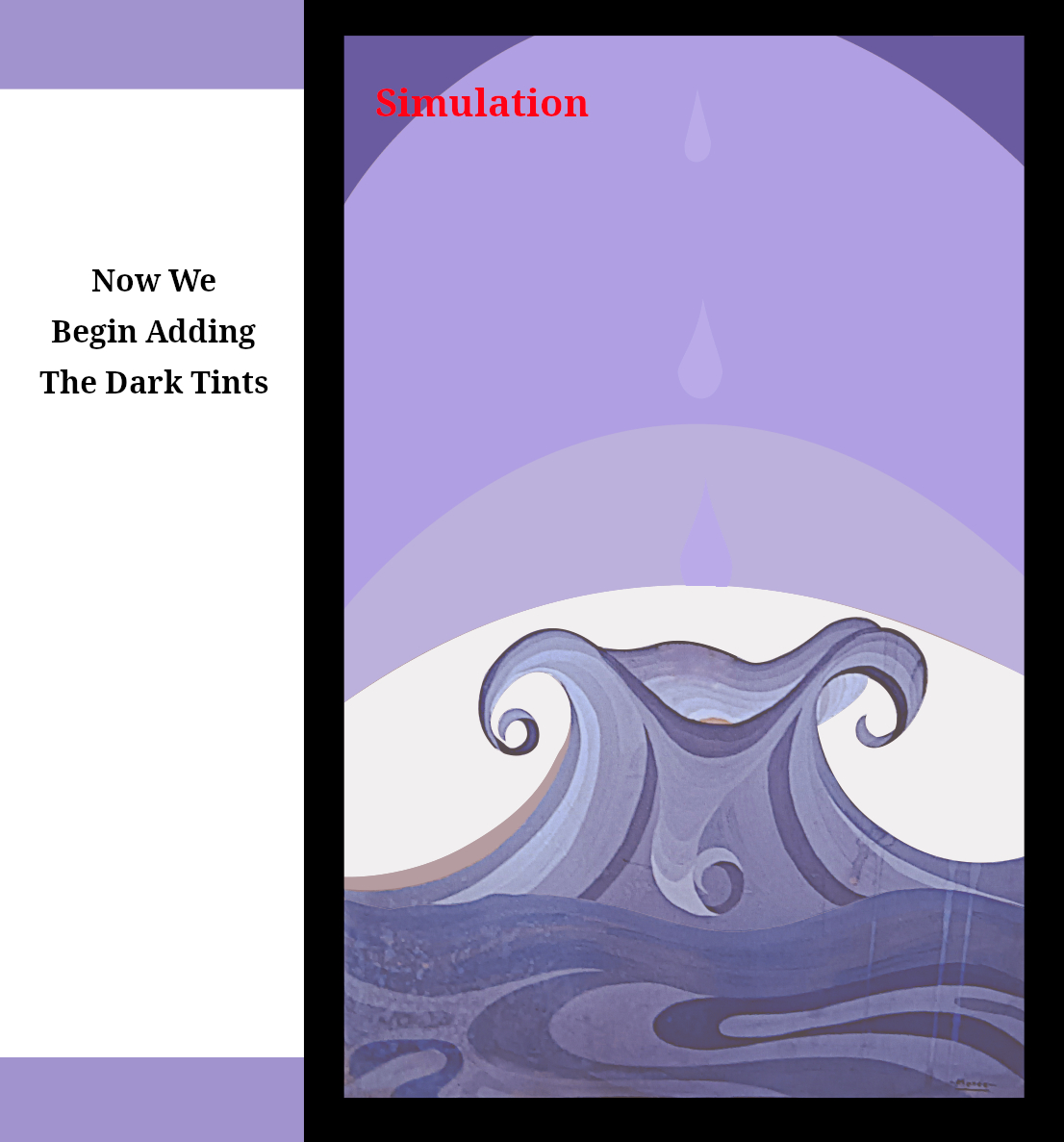
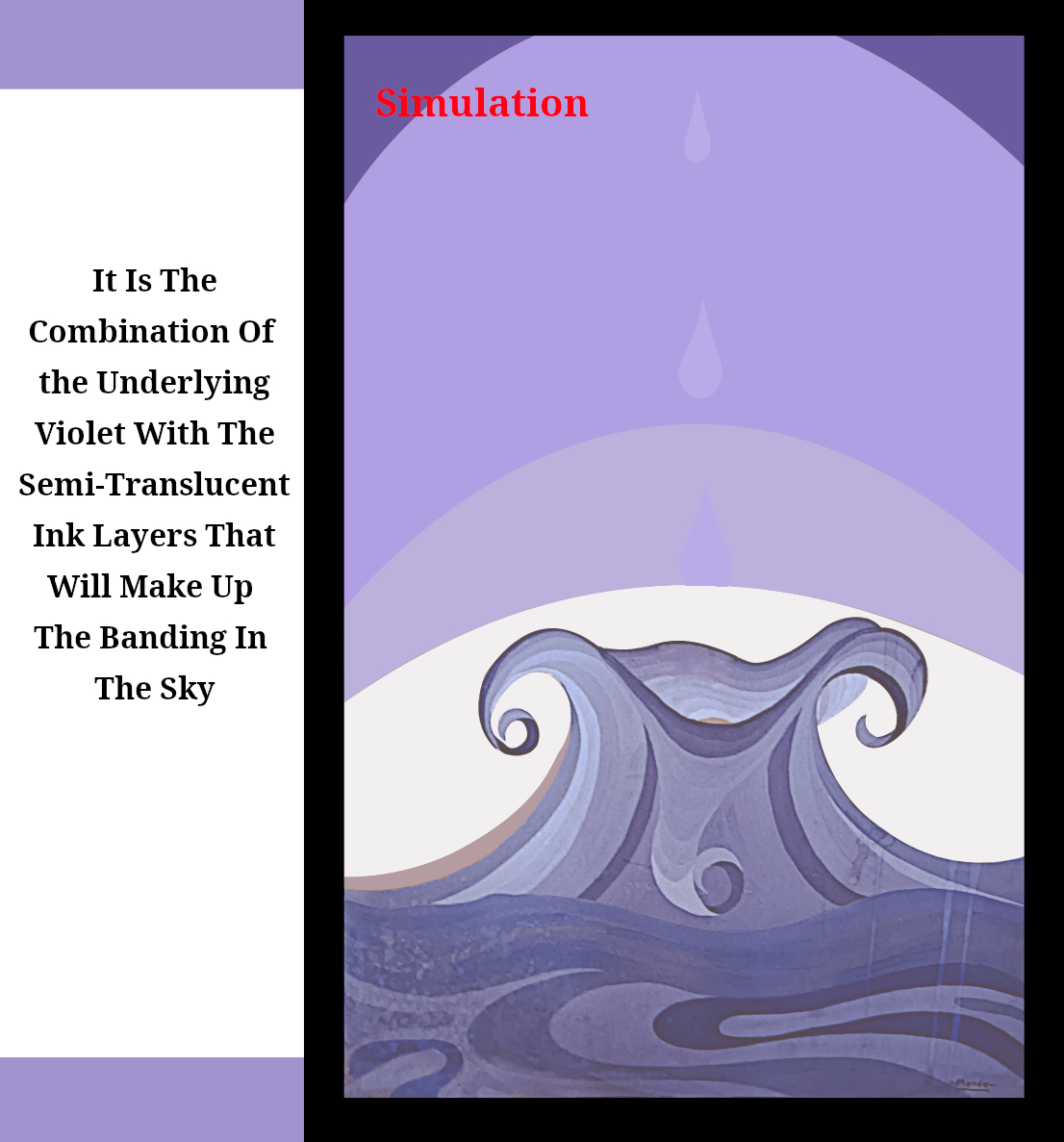
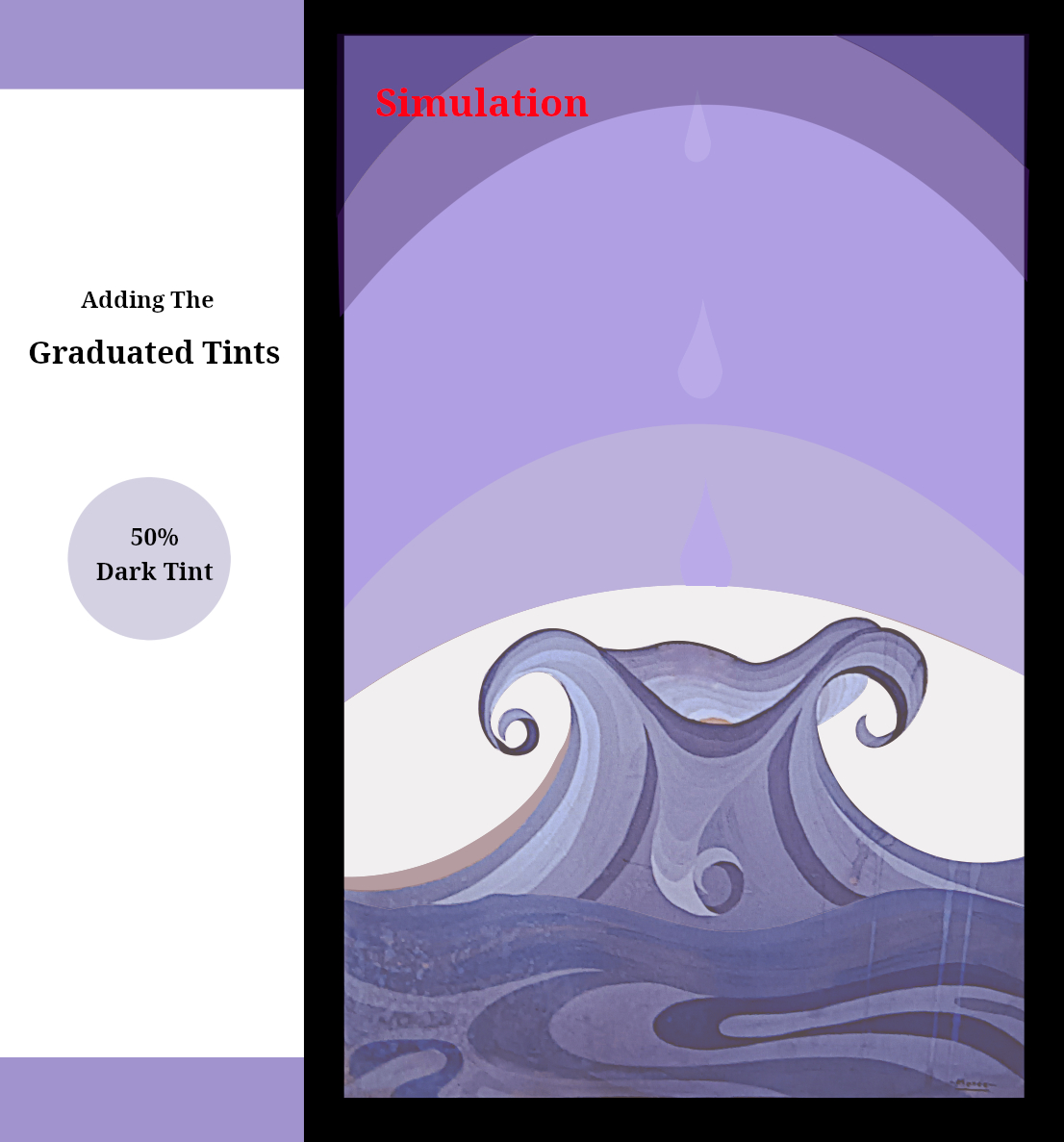
Morée wasn’t painted in a single pass. It was built up—deliberately, strategically—with translucent glazes and thin veils of color. Some of those layers weren’t necessary to achieve the final image. For example, the graduated tints in the upper sky could have been painted directly. Instead, an extra layer of ink was applied—only to be lifted away.
They weren’t decorative. They weren’t structural.
They were constructed only to be removed.
The entire upper third of the painting shows signs of localized wetting, splashing, dripping, and removal. Alcohol-soluble pigment was laid down, then stripped away—sometimes partially, sometimes completely—leaving behind shadows, streaks, and drips.
This wasn’t a painting that was accidentally damaged.
It was a painting that was constructed to be dismantled.
And once you see that, the stain doesn’t look like sabotage from the outside. It looks like sabotage from within.